

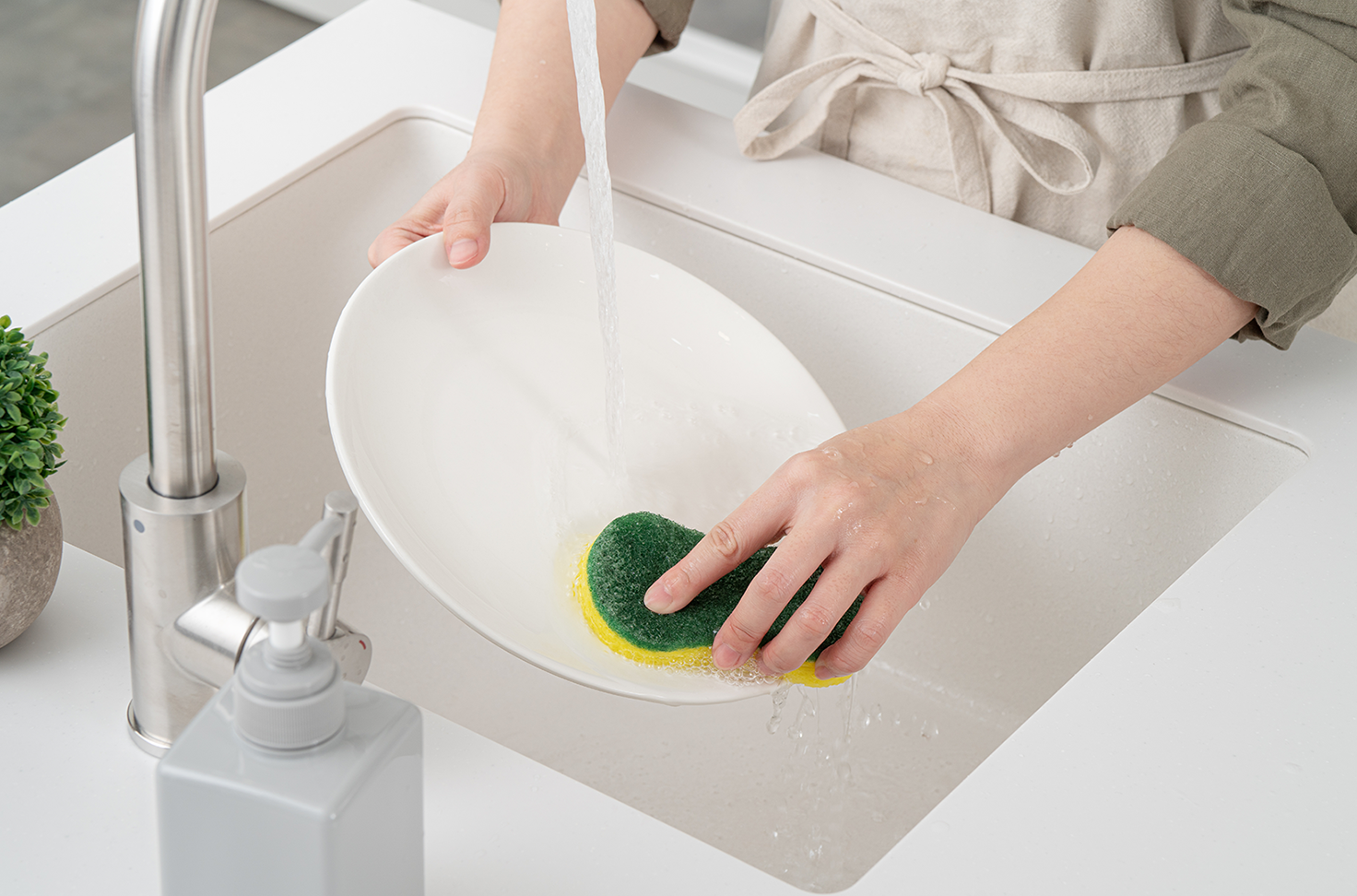
What Is the pH of Dishwashing Liquid and Is It Safe on Hands?
If you’ve ever done the dishes by hand, chances are you’ve used dishwashing liquid—that soapy, often citrus-scented staple under the sink. It’s excellent at cutting through grease and leaving plates sparkling clean. But have you ever wondered what’s in it, specifically its pH level, and whether it’s safe for your hands?
Let’s dive into the science behind dishwashing liquid and explore how it affects your skin.

Understanding pH: What Does It Mean?
First, a quick science refresher. The pH scale measures how acidic or alkaline a substance is, ranging from 0 (highly acidic) to 14 (highly alkaline), with seven being neutral (like pure water).
- pH < 7 = Acidic
- pH = 7 = Neutral
- pH > 7 = Alkaline (Basic)
When it comes to cleaning products, the pH plays a significant role in determining how effective and gentle they are.
So, What’s the pH of Dishwashing Liquid?
Most dishwashing liquids are slightly alkaline, with a pH that typically ranges between 7 to 9. This mild alkalinity is deliberate—it helps break down fats and food residues without being overly harsh on the skin.
Some stronger commercial-grade dishwashing liquids may have a higher pH, around 10 or 11. Still, these are generally intended for machine use or industrial cleaning—not for scrubbing your dinner plates by hand.

Is Dishwashing Liquid Safe for Your Hands?
In general, yes—dishwashing liquid is safe for hands, especially those formulated for home use. However, there are a few essential things to consider:
✅ Mild Formulas Are Skin-Friendly
Most household brands offer pH-balanced formulas that are designed to be gentle. Many also include skin conditioners like aloe vera or glycerin to prevent drying.
⚠️ Frequent Use May Cause Dryness
Even mild dishwashing liquid can strip natural oils from your skin if you use it multiple times daily. You may notice dryness or irritation if you wash dishes often, especially in colder weather.
🧼 Fragrance and Dye Sensitivities
Some people are sensitive to fragrances or dyes in dishwashing liquids, which can cause allergic reactions or contact dermatitis. In such cases, opting for a fragrance-free or hypoallergenic formula is best.
🧤 Pro Tip: Use Gloves for Extra Protection
To minimize skin contact and prevent dryness, wearing rubber gloves is a smart move—especially if you’re tackling a sink full of dishes or using hot water.

Choosing the Right Dishwashing Liquid
When shopping for a dishwashing liquid that’s tough on grease but kind to your hands, look out for these features:
- pH-balanced or labeled “gentle on hands.”
- Dermatologically tested
- Free of harsh chemicals like SLS (Sodium Lauryl Sulfate) and synthetic fragrances
- Eco-friendly and biodegradable ingredients for added environmental benefits
Brands in Singapore and Malaysia are increasingly offering natural dishwashing liquids with plant-based surfactants, which clean effectively without irritating the skin or polluting the water system.

Conclusion: It’s All About Balance
While dishwashing liquid is generally safe for hands, understanding its pH level gives insight into why it cleans so well—and how to care for your skin during frequent dishwashing. Stick with gentle, pH-balanced products, moisturize regularly, and don’t hesitate to grab those gloves for extra protection.
Because clean dishes are essential—but so are healthy hands.


